

Why Bud Light and Target Failed. And What Luxury Brands Must Do Differently with AI
- FIG Strategy & Consulting

- Sep 5, 2023
- 3 min read
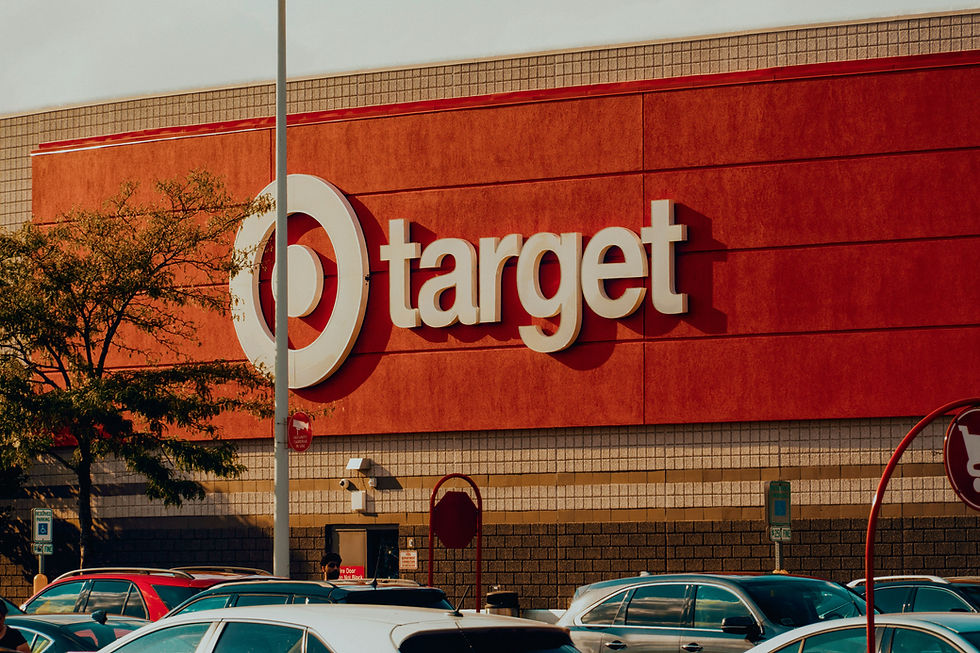
In 2023, two of America's most recognized consumer brands made decisions that cost them billions in market value within weeks. Bud Light and Target aren't in hot water because they took a position. They are because they took a position that misaligned with their brand, and when the backlash came, they had no principled response. For luxury brands navigating AI deployment, the lesson is more urgent than it appears.
What Happened at Bud Light
Bud Light's partnership with Dylan Mulvaney was so much more than a marketing failure. It was a lesson is understanding your core customer. The brand made a significant positioning decision without a clear understanding for what the brand stood for, who its core audience was and the ritual their product represented in their lives. And most importantly, what it would do when challenged. When the backlash came, Bud Light's response was silence, then distance, then contradiction, all signaled to every segment of its audience that the brand had no governing principle. The result was a loss of trust across the political spectrum and a $1.4B market share decline that took over a year to stabilize.
What Happened at Target
Target's Pride Month collection controversy followed the same pattern. The brand made a merchandising decision, faced organized backlash, and responded by removing products, which then generated backlash from the other direction. The brand was caught between two audiences with no governance framework to navigate the tension. The cost: approximately $10B in market cap erosion in two weeks. All in the name of DEI. But DEI without a governing principle. They played fast and loose with the brand and felt the ripple effect immediately.
The Governance Gap Both Brands Shared
Neither Bud Light nor Target had a governance framework that answered the fundamental question: when our brand decisions generate controversy, what is our principled response?
Again, that is much more than marketing. It is a governance issue and very few companies plan for it. Answers to controversy need to be planned ahead. Otherwise, you end up like Bud Light and Target: brand equity running to the bottom, shareholder trust gone, and an angry customer base.
However, there are brands that navigated similar moments successfully such as; Nike, Patagonia, Ben & Jerry's. And they did so because they had governance clarity. They knew what they stood for, who they stood for, and what they would and would not do under pressure.
What This Means for Luxury Brands Deploying AI
Governance isn't new. But in 2025, it has a new dimension. Luxury brands deploying AI are making decisions every day that will generate controversy from guests, employees, and regulators. When your AI-powered pricing system charges a loyal guest more during peak demand, who owns that decision? When your AI hiring tool screens out candidates in ways that create legal exposure, what is your principled response? When your AI concierge gives a guest incorrect information that damages their experience, how does your brand respond?
These are true governance questions. Brands that care about their brand promise and guest experience, answer them before the crisis with a clear framework. If you're a luxury brand, a reactive PR strategy will not protect your equity.
FIG helps luxury brands build the governance frameworks that prevent the Bud Light and Target pattern in the AI era. If you are deploying AI without a governance framework, you are one decision away from a crisis you can't control. Let's build the framework before you need it. Schedule a Briefing.


Comments